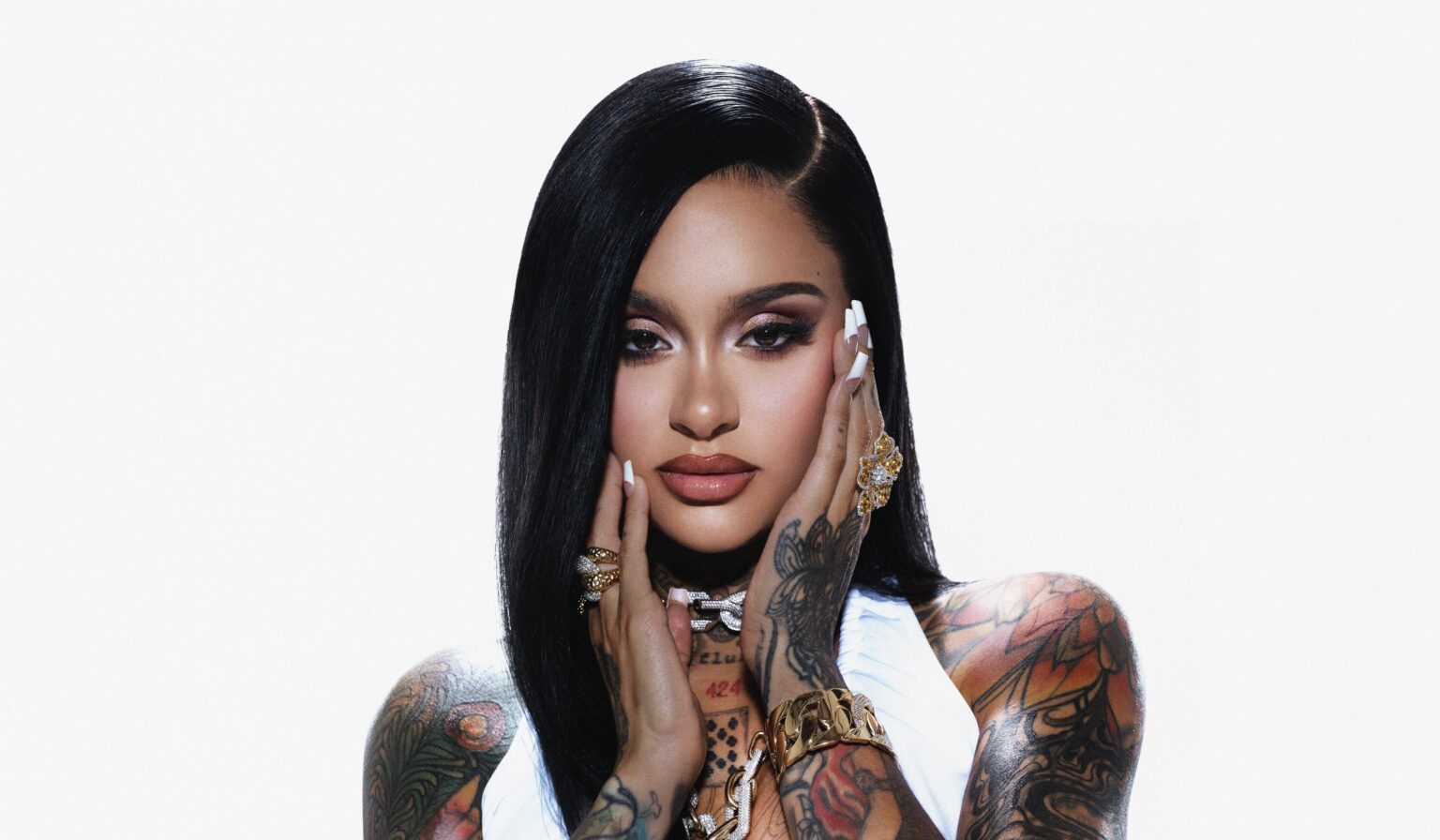
Mental health is one of those topics that quietly affects so many people in our community, yet rarely gets the space it deserves in public conversation. That is why Kehlani speaking openly about living with bipolar disorder and borderline personality disorder feels significant. It is not performative. It is not dramatic. It is honest.
In a recent sit down interview, the singer shared what navigating both diagnoses looks like in real life. Not just the label. Not just the headline. The work. She described developing what she calls a tool belt of awareness. That includes therapy, medication, communication, routine, and most importantly self recognition. For Kehlani, learning the early signs of emotional shifts has become part of maintaining stability.

She spoke candidly about how changes in sleep, appetite, or bursts of high energy can signal that something deeper is happening internally. What might look like productivity or creative drive to the outside world can sometimes be the beginning of imbalance. That kind of transparency is rare, especially in an industry that rewards constant output and performance.
Kehlani also acknowledged how global events and outside pressures can intensify emotional responses. Stress does not exist in isolation. It stacks. It compounds. For people managing mood disorders, that external weight can hit differently. Hearing her say that out loud matters because it normalizes something many people quietly experience.
Bipolar disorder is characterized by shifts in mood, energy, and activity levels that can range from depressive lows to elevated or manic highs. Borderline personality disorder often involves intense emotional responses, fear of abandonment, and difficulty regulating mood. Both require long term care, awareness, and support. They are not personality flaws. They are not weaknesses. They are medical and psychological conditions that deserve treatment without stigma.
In the Black community especially, mental health is often minimized or dismissed. We celebrate resilience. We joke about trauma. We tell each other to push through. But pushing through is not the same as healing. Seeking therapy, taking medication, and building coping systems is not a betrayal of strength. It is an evolution of it.

Kehlani choosing to share her experience does not make her fragile. It makes her intentional. It shifts the narrative from secrecy to self awareness. That kind of visibility helps dismantle the idea that successful, creative, high functioning people do not struggle.
If you or someone you know is navigating bipolar disorder, BPD, or any mental health challenge, support is available. In the United States, the 988 Suicide and Crisis Lifeline can be reached by calling or texting 988. The National Alliance on Mental Illness offers education and local resources at nami.org. The Substance Abuse and Mental Health Services Administration also provides a treatment locator at findtreatment.gov. Seeking help is not dramatic. It is responsible.
The culture has room for honesty. Conversations like this should not feel rare. They should feel normal. And when artists choose transparency over silence, it opens doors for others to do the same.